The Many Faces of Film. Austin Polish Film Festival 2026.

The Many Faces of Film. Austin Polish Film Festival 2026.

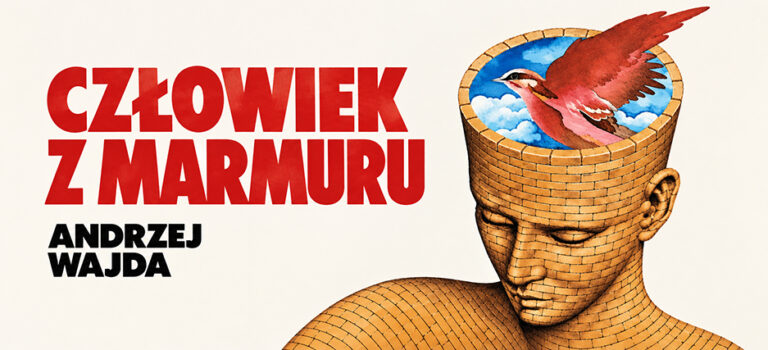
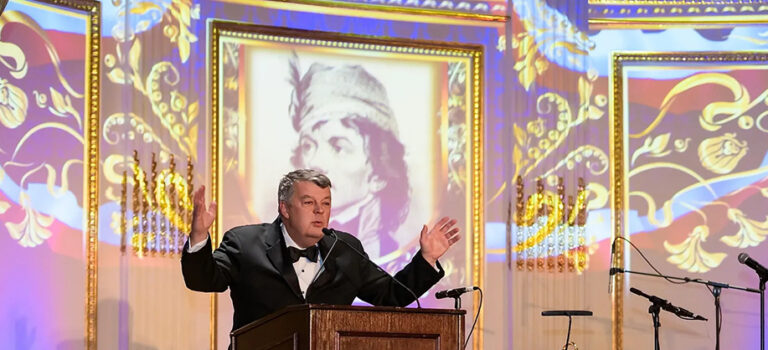
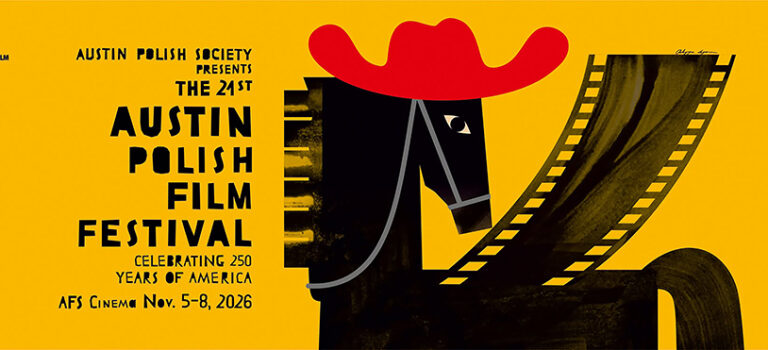
Polish cinema in its many forms, conversations with filmmakers, an exhibition of posters for Andrzej Wajda’s films, and a closing piano concert — these are the highlights of the 21st Austin Polish Film Festival, which this year celebrates the 250th anniversary of the United States. * Joanna Sokołowska-Gwizdka When Tadeusz Kościuszko arrived in America in […]

Read more
Film niejedno ma imię. Austin Polish Film Festival 2026.

Film niejedno ma imię. Austin Polish Film Festival 2026.

Polskie kino w wielu odsłonach, rozmowy z twórcami, wystawa plakatów do filmów Andrzeja Wajdy i koncertowy finał przy fortepianie — tak zapowiada się 21. Austin Polish Film Festival, którego tegorocznym motywem przewodnim jest 250-lecie Stanów Zjednoczonych. * Joanna Sokołowska-Gwizdka Kiedy w 1776 roku Tadeusz Kościuszko przybył do Ameryki, niepodległość młodej republiki była jeszcze obietnicą, o […]

Read more
Bolesław Prus’s „The Doll” – A Penetrating Portrait of Polish Society

Bolesław Prus’s „The Doll” – A Penetrating Portrait of Polish Society

Joanna Sokołowska-Gwizdka Bolesław Prus’s The Doll was written at a time when Poland no longer existed on the map of Europe, and the failures of successive national uprisings had prompted a period of reflection on the nation’s future. Without abandoning the dream of independence, Poles began seeking other ways to strengthen their society. Following the […]

Read more
„Lalka” Bolesława Prusa – wnikliwy portret polskiego społeczeństwa

„Lalka” Bolesława Prusa – wnikliwy portret polskiego społeczeństwa

Joanna Sokołowska-Gwizdka „Lalka” Bolesława Prusa powstała w czasach, gdy Polska nie istniała na mapie Europy, a po klęskach kolejnych powstań narodowych nadszedł okres refleksji nad przyszłością narodu. Nie rezygnując z marzeń o niepodległości, poszukiwano innych sposobów wzmocnienia społeczeństwa. Po upadku powstania styczniowego szczególnego znaczenia nabrały pozytywistyczne hasła pracy organicznej i pracy u podstaw. Rozwój przedsiębiorczości, […]

Read more
Nineteenth-Century Łódź as the Promised Land in Władysław Reymont’s Novel

Nineteenth-Century Łódź as the Promised Land in Władysław Reymont’s Novel

Joanna Sokołowska-Gwizdka There are cities that take shape slowly, accumulating the memories of generations over centuries. And there are others that spring up almost overnight, born of human enterprise, ambition, and the desire for success. Nineteenth-century Łódź belonged to the latter. Within just a few decades, a small town surrounded by fields and forests was […]

Read more
XIX-wieczna Łódź jako ziemia obiecana z powieści Władysława Reymonta

XIX-wieczna Łódź jako ziemia obiecana z powieści Władysława Reymonta

Joanna Sokołowska-Gwizdka 

Są miasta, które powstają powoli, przez stulecia gromadząc pamięć kolejnych pokoleń. Są też takie, które rodzą się niemal nagle, z ludzkiej przedsiębiorczości, ambicji i pragnienia sukcesu. Do tych drugich należała dziewiętnastowieczna Łódź. W ciągu kilku dziesięcioleci niewielkie miasteczko, otoczone polami i lasami, przeobraziło się w potężny ośrodek przemysłowy. Tam, gdzie niedawno stały drewniane domy, wyrosły wielopiętrowe fabryki, pałace przypominające arystokratyczne rezydencje i całe dzielnice robotniczych mieszkań. Nad dachami unosiły się dymy kominów, a miasto żyło w rytmie maszyn, które nie znały odpoczynku.

Read more
Soft as Wax, Hard as Steel

Soft as Wax, Hard as Steel

Maria Duszka

It was the late 1960s. The book On the Border Between Life and Death: Letters and Secret Prison Notes of Krystyna Wituska was passed from house to house, from hand to hand. It was probably read, one after another, by nearly everyone in Małyń and Jeżew, villages in the Zadzim municipality of Poddębice County. I was no more than ten years old at the time, and although it was certainly not a book intended for children, I read it too. What I remember finding most puzzling was that this young woman, held in a German prison and sentenced to death, asked her parents to send her stockings and a silk dress. I imagined that in such circumstances one would not think about such small things.

The illustration on the homepage was generated by artificial intelligence based on a photograph of Krystyna Wituska from the family archive of Tomasz Steppa.

Read more